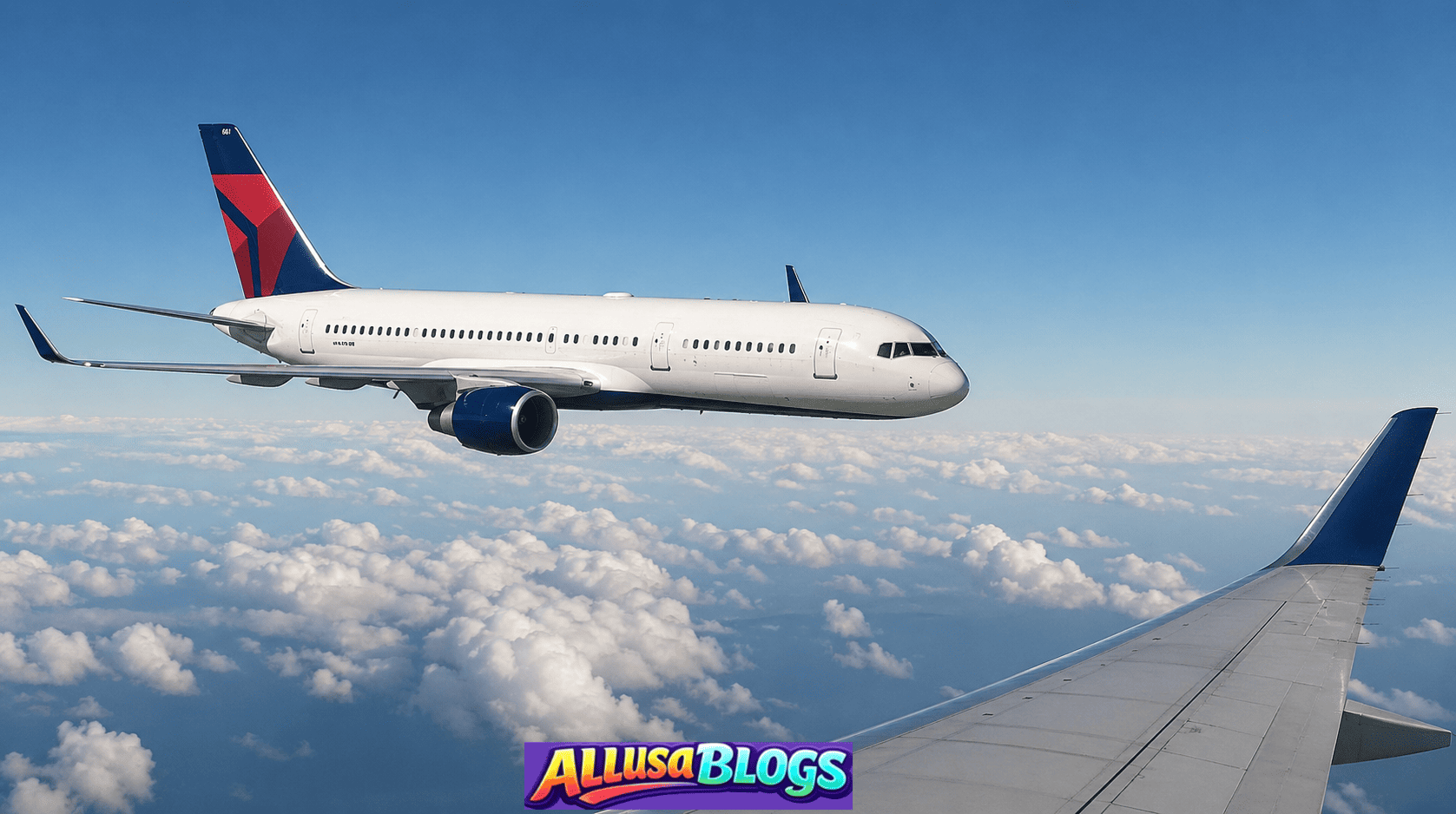
Introduction to Delta Flight DL636 Diversion
The Delta Flight DL636 Diversion is one of the most discussed aviation events in recent travel news, especially in the United States where airline safety standards are closely monitored. This incident reflects how modern aviation systems prioritize passenger safety over scheduling or convenience. When a flight like Delta Flight DL636 Diversion occurs, it immediately draws attention because it involves real-time decision-making at high altitudes, where every second matters for safety and operational control.
The Delta Flight DL636 Diversion also highlights how complex air travel can be, even for experienced airlines like Delta Air Lines. Passengers often expect smooth journeys, but unexpected technical alerts, weather conditions, or medical situations can change the entire course of a flight. In this case, the Delta Flight DL636 Diversion became a key example of how airline crews and aviation authorities work together to ensure a safe landing at an alternate airport without compromising passenger well-being.
Flight Background and Route Information
The Delta Flight DL636 Diversion began as a standard commercial route operated by Delta Air Lines, a major carrier known for its extensive domestic and international network. Like many long-haul flights, the aircraft was fully prepared with crew, passengers, and flight systems checked before departure. Everything appeared normal during takeoff, and the initial phase of the journey followed the expected route planning and altitude adjustments.
However, during the course of travel, the Delta Flight DL636 Diversion situation developed due to unexpected in-flight conditions. While exact operational details are typically reviewed in internal investigations, such diversions generally involve safety alerts or operational concerns that require immediate attention. The flight crew, trained to handle emergencies, coordinated with air traffic control to determine the safest possible course correction, leading to the eventual diversion.
Timeline of the Delta Flight DL636 Diversion Event
The Delta Flight DL636 Diversion timeline began with a routine departure where passengers settled into what was expected to be a normal journey. As the aircraft progressed through its route, pilots monitored systems continuously, as is standard in commercial aviation. At some point during the flight, abnormal conditions were identified that required further assessment by the cockpit crew.
As the Delta Flight DL636 Diversion unfolded, communication between the pilots and air traffic controllers became critical. After evaluating available options, the decision was made to change the aircraft’s destination. The flight then safely redirected toward an alternate airport, where landing procedures were executed smoothly. This carefully managed process ensured that the Delta Flight DL636 Diversion ended without compromising passenger safety.
Reasons Behind the Delta Flight DL636 Diversion
The Delta Flight DL636 Diversion may have been triggered by several possible factors commonly seen in aviation incidents. These include mechanical warnings, sudden weather changes, onboard medical emergencies, or air traffic restrictions. In aviation, even minor irregularities can lead to precautionary decisions, because safety protocols are designed to avoid risk escalation.
The Delta Flight DL636 Diversion also demonstrates how airlines follow a “safety first” principle. Instead of continuing a potentially unsafe journey, pilots are trained to divert immediately when necessary. This proactive approach ensures that any potential issue is addressed on the ground rather than in the air, where options are more limited and risks are significantly higher.
Passenger Experience During the Delta Flight DL636 Diversion

For passengers, the Delta Flight DL636 Diversion likely felt unexpected and concerning at first. Sudden changes in flight direction or announcements from the crew can create uncertainty. However, airline staff are trained to communicate clearly and calmly, ensuring that passengers understand the situation without unnecessary panic or confusion.
During the Delta Flight DL636 Diversion, passengers were guided by flight attendants who maintained order and provided updates as the situation developed. Although diversions can disrupt travel plans, passengers are generally supported through rebooking assistance and logistical arrangements. In most cases, airlines also offer compensation or accommodations depending on the length of delay and circumstances involved.
Airline Response and Official Handling
After the Delta Flight DL636 Diversion, Delta Air Lines typically reviews the situation internally and may release official statements confirming that safety protocols were followed. These statements usually emphasize that the diversion was precautionary and necessary to ensure passenger well-being, which is always the airline’s top priority.
The Delta Flight DL636 Diversion also triggers a technical review process, where flight data, crew reports, and aircraft systems are analyzed. This helps the airline identify the root cause of the diversion and improve future operations. Such transparency strengthens trust between airlines and passengers, reinforcing confidence in aviation safety standards.
Impact on Operations and Flight Network
The Delta Flight DL636 Diversion can also affect broader airline operations, especially if the diversion leads to delays in aircraft scheduling or gate availability. When a plane lands unexpectedly at an alternate airport, ground teams must quickly coordinate logistics for passengers, luggage handling, and aircraft servicing.
In addition, the Delta Flight DL636 Diversion may cause ripple effects across connecting flights and airport schedules. However, modern aviation systems are designed with flexibility, allowing airlines to recover quickly from disruptions. This ensures that while delays may occur, the overall network continues functioning efficiently.
Aviation Safety Lessons from the Delta Flight DL636 Diversion
The Delta Flight DL636 Diversion serves as an important reminder of how aviation safety systems are built around prevention and control. Aircraft today are equipped with advanced monitoring technologies that alert pilots to potential issues early, allowing timely intervention before situations escalate.
Another key lesson from the Delta Flight DL636 Diversion is the importance of pilot training and emergency preparedness. Flight crews undergo extensive simulation training to handle diversions, technical failures, and unexpected conditions. This ensures that every decision made during a flight prioritizes passenger safety above all else.
Related SEO Keyword Context
The Delta Flight DL636 Diversion is often searched alongside terms such as “Delta flight emergency landing,” “DL636 diversion update,” and “why flights get diverted in USA.” These related keywords reflect growing public interest in understanding how airlines manage unexpected situations safely and efficiently.
Discussions around the Delta Flight DL636 Diversion also connect to broader aviation topics like flight tracking systems, airline safety procedures, and passenger rights during disruptions. This shows that the incident is not just about one flight, but also about how the entire aviation industry operates under strict safety guidelines.
Conclusion
The Delta Flight DL636 Diversion demonstrates how modern aviation prioritizes safety above all else, even when it leads to unexpected changes in travel plans. While diversions can be inconvenient for passengers, they are essential procedures designed to protect lives and maintain operational integrity. Every decision made during this event reflects the professionalism and training of airline crews.
Ultimately, the Delta Flight DL636 Diversion reinforces public confidence in air travel systems. It shows that airlines like Delta Air Lines are fully prepared to handle unexpected situations with precision and care. In the end, safety remains the most important factor in every flight, and this incident is a strong example of that commitment in action.