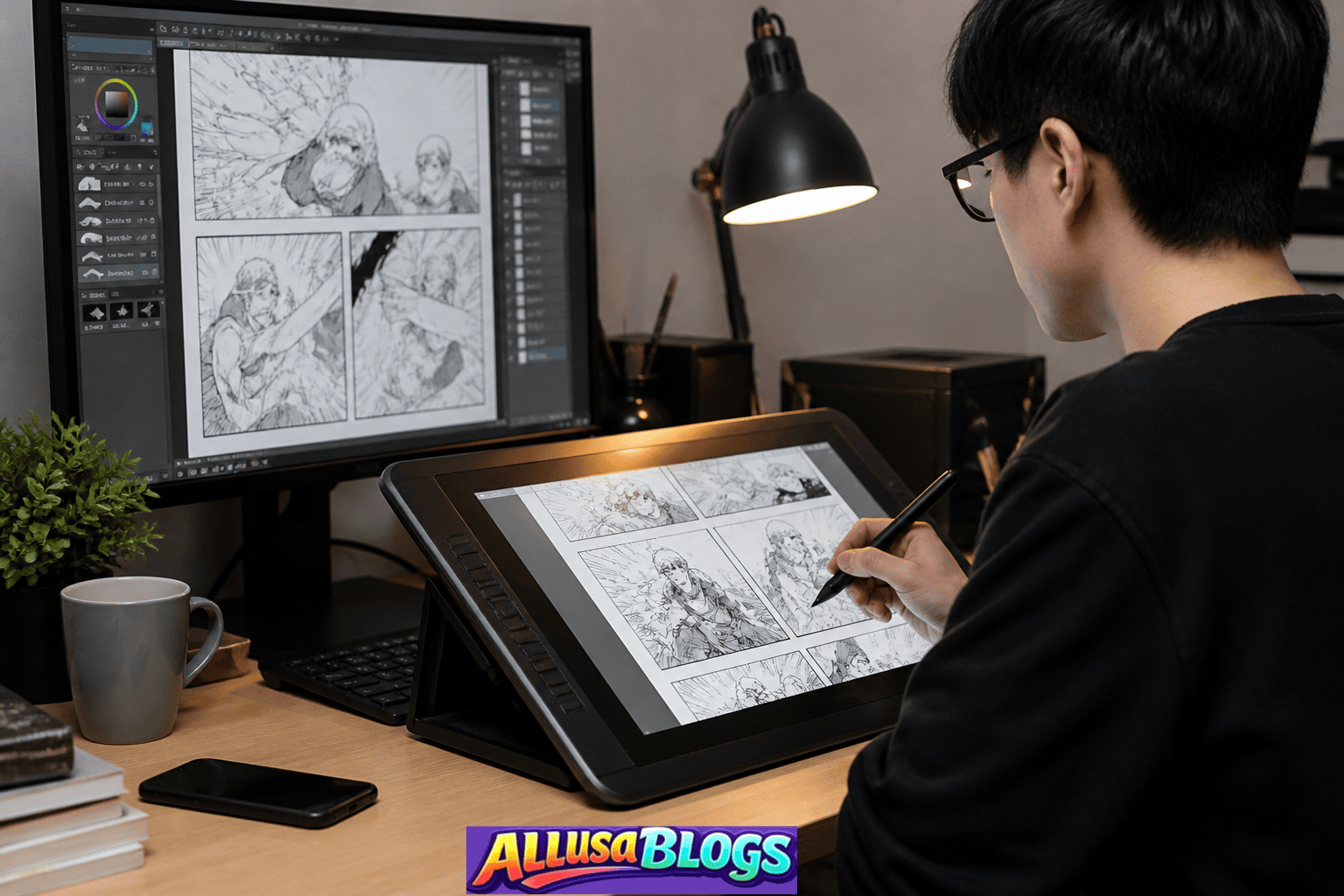
Teach Me First Comic as Your Starting Point in Creativity
Teach Me First Comic is more than just a phrase—it represents the beginning of a creative journey for anyone who wants to enter the world of comics. Many beginners feel overwhelmed, but this guide simplifies everything so you can start building your own comic step by step with confidence and clarity.
Teach Me First Comic helps new creators understand that storytelling through visuals is not about perfection but expression. When you follow Teach Me First Comic principles, you learn how to turn simple ideas into meaningful visual stories that connect with readers in a powerful and emotional way.
Understanding the Core Elements of a Comic
Teach Me First Comic starts with understanding storytelling. Every comic needs a clear beginning, middle, and end. The idea is to create a simple but engaging plot that guides the reader naturally. Teach Me First Comic encourages beginners to focus on clarity instead of complexity.
Teach Me First Comic also teaches the importance of visual storytelling. Instead of writing long paragraphs, you express emotions, actions, and scenes through images. This balance between visuals and dialogue is what makes Teach Me First Comic style so effective for beginners.
Teach Me First Comic Characters and Visual Design
Characters are the heart of Teach Me First Comic creation. A strong character does not need complicated design, but they must feel real and relatable. Beginners should focus on personality, emotions, and motivation rather than advanced artwork techniques.
Teach Me First Comic also highlights how character design should match the story tone. Whether it is comedy, drama, or adventure, your characters should visually reflect their personality. This makes Teach Me First Comic storytelling more engaging and memorable for readers.
Teach Me First Comic Idea Development and Planning
Teach Me First Comic begins with a simple idea. You do not need a complex storyline. Even a small moment or emotion can become a powerful comic if developed properly. Brainstorming is the first creative step in Teach Me First Comic creation.
Teach Me First Comic also emphasizes planning your story before drawing. A rough outline helps you organize scenes, dialogues, and pacing. This planning stage ensures that your final comic feels smooth, structured, and easy to follow for readers.
Teach Me First Comic Drawing and Panel Layout
Once your idea is ready, Teach Me First Comic focuses on sketching basic panels. Panels are like frames in a movie that guide the reader’s eye. Proper panel flow is essential in Teach Me First Comic storytelling because it controls pacing and emotion.
Teach Me First Comic encourages beginners to start with rough sketches instead of perfect drawings. This allows creativity to flow naturally without pressure. Over time, you can refine your art and improve your visual storytelling skills.
Essential Tools and Software for Beginners
Teach Me First Comic can be created using both traditional and digital tools. Beginners often start with pencils, paper, and ink because it is simple and affordable. These tools help you focus on storytelling rather than technology.
Teach Me First Comic also works well with digital software. Many free apps allow you to draw, color, and edit comics easily. Choosing the right tools in Teach Me First Comic depends on your comfort level and creative goals.
Common Mistakes Beginner Comic Creators Make
Teach Me First Comic beginners often make the mistake of trying to create overly complex stories. This can lead to frustration and unfinished projects. Keeping your first comic simple is the best approach for learning effectively.
Teach Me First Comic also warns against ignoring storytelling flow. Many beginners focus only on drawing, but without a strong story, the comic loses impact. Balancing visuals and narrative is key in Teach Me First Comic success.
Tips to Improve Your Comic Skills Fast
Teach Me First Comic improvement comes through consistent practice. Drawing daily, even simple sketches, helps build confidence and skill over time. Small improvements add up to major progress in your creative journey.
Teach Me First Comic also suggests studying professional comics. By observing how experts structure panels and dialogue, you gain valuable insights that help you improve your own storytelling style faster and more effectively.
Publishing and Sharing Your First Comic
Teach Me First Comic creators can publish their work on various online platforms. Sharing your comic helps you get feedback, improve your skills, and connect with a global audience interested in storytelling.
Teach Me First Comic also encourages using social media to build visibility. Posting regularly and engaging with readers helps you grow as a creator and gain recognition for your creative work over time.
Conclusion
Teach Me First Comic is a complete beginner-friendly roadmap for anyone who wants to enter the world of comic creation. It focuses on simplicity, creativity, and consistent practice, helping new artists transform ideas into visual stories step by step.
Teach Me First Comic reminds every beginner that success does not come from perfection but from persistence. By starting small and improving gradually, anyone can grow into a confident comic creator with their own unique storytelling style.
FAQs
What is Teach Me First Comic about for beginners
Teach Me First Comic is a beginner guide that teaches how to start creating comics using simple storytelling and drawing techniques.
Do I need drawing skills for Teach Me First Comic
Teach Me First Comic is designed for beginners, so you do not need advanced drawing skills to start.
What tools are best for Teach Me First Comic creation
Teach Me First Comic can be created using pencils, paper, or digital drawing apps depending on your preference.
How long does it take to create a comic using Teach Me First Comic
Teach Me First Comic projects can take a few days to weeks depending on complexity and practice level.
Can Teach Me First Comic be created digitally
Yes, Teach Me First Comic can be fully created using digital tools and software for drawing and editing.