Introduction: Why “Lake Texoma Should Be Capitalized” Matters
If you’ve ever wondered whether “lake texoma should be capitalized” is correct or not, you’re already thinking in the right direction for strong writing and SEO performance. This phrase is actually about a fundamental grammar rule in English: proper noun capitalization.
“Lake Texoma” refers to a specific geographic location, and in English grammar, specific names like this must always be capitalized. So instead of writing “lake texoma,” the correct form is Lake Texoma. This is not just a stylistic choice—it is a grammatical rule that affects clarity, professionalism, and even search engine optimization.
Understanding why “lake texoma should be capitalized” is important can help writers, bloggers, and SEO specialists produce more accurate and authoritative content.
What Is Lake Texoma?
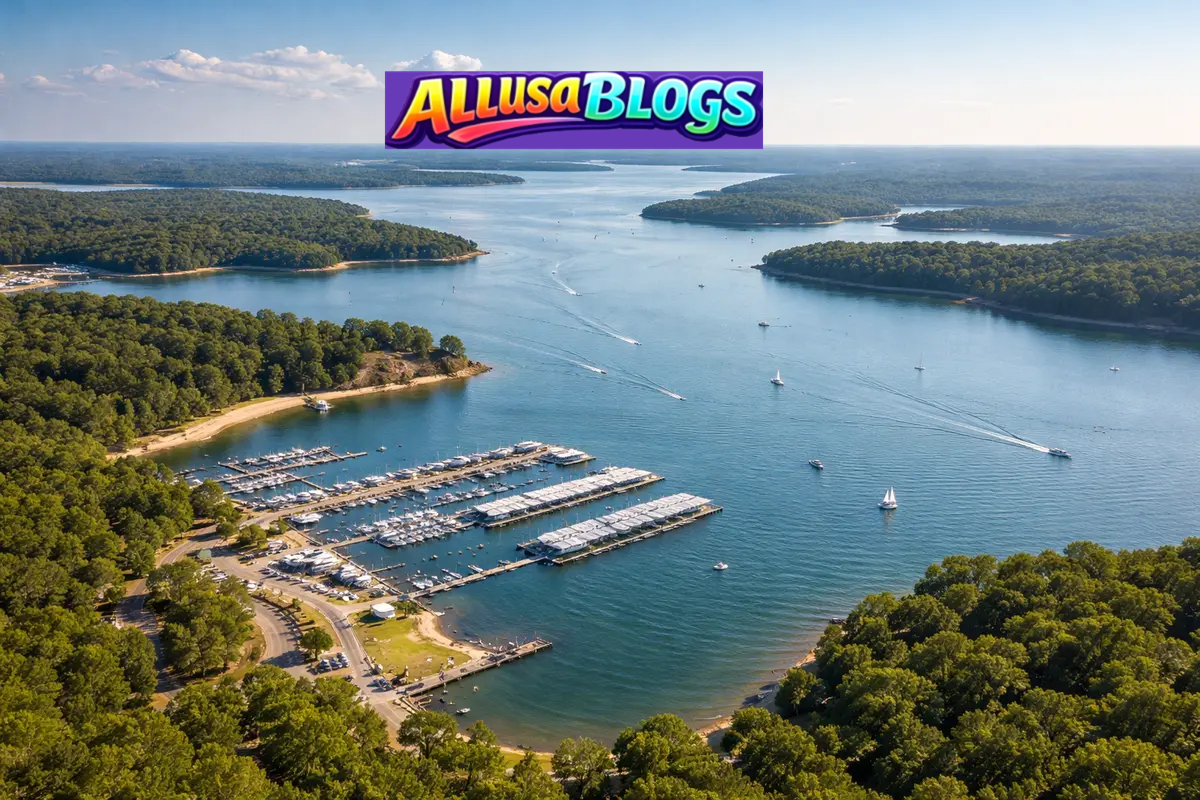
Lake Texoma is one of the largest reservoirs in the United States, located on the border of Texas and Oklahoma. It was formed by the Denison Dam on the Red River and is managed by the U.S. Army Corps of Engineers.
Lake Texoma is a popular destination for fishing, boating, camping, and tourism. It attracts millions of visitors every year due to its size, natural beauty, and recreational opportunities. Because it is a specific and recognized geographic name, it falls under the category of proper nouns in English grammar.
That means the correct written form is always Lake Texoma, not “lake texoma.” This distinction is essential for both formal writing and digital content creation.
Grammar Rule: Why “Lake Texoma Should Be Capitalized”
The reason “lake texoma should be capitalized” is simple: it follows the rule of proper nouns. In English grammar, proper nouns are names of specific people, places, or things, and they are always capitalized.
Here’s the breakdown:
- “Lake” is a common noun when used generally (e.g., “a lake is nearby”).
- “Texoma” is a specific name.
- When combined as a place name, both words become part of a proper noun: Lake Texoma.
This rule applies to all similar geographic names:
- Lake Michigan
- Lake Tahoe
- Lake Victoria
So, writing “lake texoma” in lowercase is grammatically incorrect unless it is used in a very informal or stylistic context (which is rare and not recommended in professional writing).
Why Capitalization of Lake Texoma Matters in Writing
Capitalization is more than just a grammar rule—it directly affects readability and credibility. When writers correctly use “Lake Texoma,” it signals attention to detail and professionalism.
Incorrect capitalization, such as “lake texoma,” can make content look unpolished or even unreliable. This is especially important in travel blogs, educational content, and informational websites where accuracy matters.
Readers naturally trust content that follows proper grammar rules. So when you consistently write Lake Texoma, you improve both clarity and authority.
SEO Impact of “Lake Texoma Should Be Capitalized”
From an SEO perspective, proper capitalization plays an indirect but meaningful role. Search engines like Google understand both capitalized and lowercase queries, but consistency in content still matters.
When you correctly use “Lake Texoma,” you:
- Improve readability for users
- Maintain content quality signals
- Avoid keyword confusion
- Strengthen topical authority
Many SEO writers focus only on keyword density, but grammar consistency is equally important. If your article repeatedly uses “lake texoma” in lowercase, it may appear less professional and reduce user engagement.
In contrast, using Lake Texoma correctly ensures your content aligns with how users expect to see the term written in official sources, travel guides, and educational materials.
Common Mistakes Writers Make with Lake Texoma
Even experienced writers sometimes make capitalization errors. Here are some common mistakes related to “lake texoma should be capitalized”:
1. Lowercase Usage
Writing “lake texoma” in lowercase is the most common mistake. It ignores proper noun rules and weakens professionalism.
2. Partial Capitalization

Some writers incorrectly write “Lake Texoma Should Be Capitalized,” capitalizing only the first word. This is still wrong because both words are part of the proper noun.
3. Overcapitalization in Generic Use
Sometimes “Lake” is capitalized even when used generically (e.g., “We visited a Lake near the city”), which is also incorrect.
Understanding these mistakes helps writers maintain accuracy and improve content quality.
Style Guides and Capitalization Rules
Professional writing follows established style guides like AP Style, Chicago Manual of Style, and MLA. All of them agree on one key rule: geographic proper nouns must be capitalized.
According to these standards:
- “Lake Texoma” is always capitalized as a proper noun
- Generic use of “lake” remains lowercase
- Specific names of lakes require full capitalization
So whether you are writing a blog post, academic paper, or SEO article, the rule remains consistent: Lake Texoma should be capitalized.
How Proper Capitalization Improves SEO Content Quality
Search engine optimization is not just about inserting keywords—it is about creating high-quality, readable content that satisfies user intent.
Correct capitalization improves SEO in several ways:
Better User Experience
Readers are more likely to stay on a page that looks clean and professional. Proper grammar contributes to that experience.
Higher Credibility
Search engines evaluate content quality signals. Well-written, grammatically correct content is more likely to be trusted.
Improved Engagement
Clear and readable text encourages users to spend more time on the page, reducing bounce rates.
Stronger Brand Authority
Consistently using correct terms like “Lake Texoma” helps establish authority in travel, geography, and informational niches.
Examples of Correct and Incorrect Usage
To fully understand why “lake texoma should be capitalized,” here are practical examples:
Correct Usage:
- Lake Texoma is one of the most visited lakes in the United States.
- Fishing at Lake Texoma is popular year-round.
- Many tourists travel to Lake Texoma for camping and boating.
Incorrect Usage:
- lake texoma is one of the most visited lakes in the united states.
- Fishing at lake texoma is popular year-round.
- Many tourists travel to lake texoma for camping and boating.
The difference may seem small, but it significantly impacts readability and professionalism.
Why Writers Should Care About Capitalization Rules
Writers often underestimate the importance of grammar details like capitalization. However, small errors can affect how content is perceived by both readers and search engines.
Understanding that “Lake Texoma should be capitalized” is part of mastering professional writing. It shows attention to detail, respect for language rules, and commitment to quality content creation.
For SEO writers especially, these small improvements can make a big difference in rankings and user engagement over time.
Conclusion: The Importance of Correctly Writing Lake Texoma
The phrase “lake texoma should be capitalized” highlights an important grammar rule that applies to all proper nouns in English. Since it refers to a specific geographic location, the correct form is always Lake Texoma.
Using proper capitalization is not just about grammar—it improves clarity, professionalism, and SEO performance. Whether you are writing a blog, travel guide, or informational article, correct usage of “Lake Texoma” helps your content stand out as accurate and trustworthy.
By understanding and applying this rule consistently, writers can produce higher-quality content that performs better in both search engines and reader engagement.