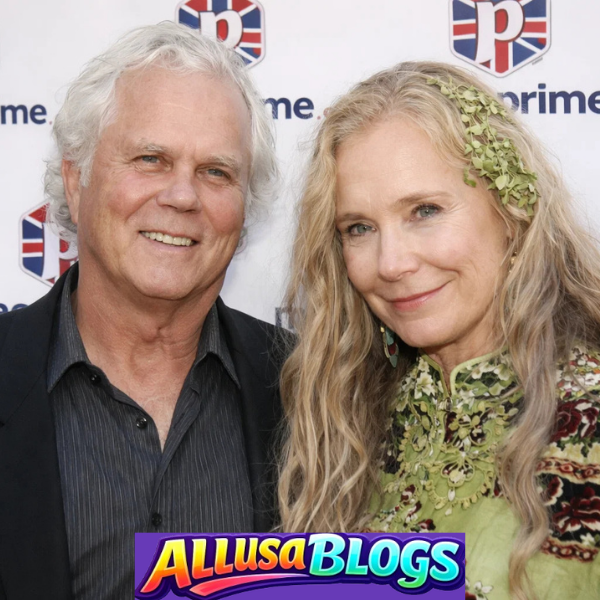
In a business world flooded with data but starved for direction, true visionaries are hard to find. Lauren Shulkind has emerged as one of those rare leaders who doesn’t just manage change—she architects it. Over the past decade, she has carved out a reputation for redefining strategic growth, moving beyond traditional metrics to build ecosystems where innovation and empathy coexist.
What makes Shulkind stand out isn’t just her resume; it is her ability to translate complex market signals into actionable human-centric strategies. While many leaders focus on quarterly earnings, she focuses on building enduring value. This article dives deep into her biography, her leadership philosophy, and the actionable insights that have made her a sought-after mind in her niche.
Who Is Lauren Shulkind? A Snapshot of a Modern Strategist
Lauren Shulkind is a strategic growth expert known for turning struggling portfolios into profit centers. She didn’t take the typical Silicon Valley elevator to the top. Instead, she climbed the ladder by solving problems that nobody else wanted to touch—turnarounds, messy mergers, and brand reinventions.
Her professional journey spans operations, marketing, and finance, giving her a 360-degree view of what makes a business tick. Unlike specialists who see only their silo, Shulkind connects dots between customer behavior, operational efficiency, and revenue models. This multidisciplinary background allows her to lead teams that are both creative and analytically rigorous.
Early Career and the Foundation of a Visionary
Long before she became a household name in strategic circles, Shulkind cut her teeth in mid-sized enterprise roles. She started in operational logistics, where she learned that strategy means nothing if execution fails. That gritty hands-on experience taught her the value of process improvement long before she ever touched a P&L statement.
She quickly moved into brand management, realizing that growth is not just about selling more—it is about creating clarity. By her late twenties, Shulkind was already leading cross-functional teams, bridging the gap between the “what” and the “how” of business strategy. Those formative years shaped her belief that the best leaders are humble enough to listen and bold enough to act.
The Pivot to Strategic Growth Leadership
Every great leader has a turning point. For Lauren Shulkind, it happened when she noticed that most growth models were broken. They prioritized speed over sustainability and volume over value. She decided to build her own framework, one that balanced aggressive targets with organizational health.
She pivoted into strategic growth consulting, taking on roles that demanded full accountability for revenue expansion. Within three years, she had helped three separate brands achieve double-digit growth during economic downturns. Those wins were not flukes; they were the result of a repeatable, ethical, and data-informed system she calls “Adaptive Scaling.”
Lauren Shulkind’s Core Leadership Philosophy
Ask Shulkind what drives her, and she will tell you it is “clarity over certainty.” She argues that most leaders freeze because they want perfect data. Instead, she pushes for 70% clarity and 100% courage. This philosophy has shaped her decision-making across volatile markets.
She also champions radical transparency. In her teams, performance data is open, mistakes are debriefed without blame, and wins are celebrated publicly. This creates a culture where people problem-solve rather than hide. For Shulkind, leadership is not about having all the answers but about asking the right questions and creating safety for others to answer.
Key Achievements and Milestones
While Shulkind avoids self-promotion, her track record speaks volumes. She led a struggling consumer goods division from a negative margin to a 15% net profit in eighteen months. She later orchestrated a digital transformation for a financial services firm, cutting customer acquisition costs by forty percent while boosting retention.
Perhaps her most notable achievement was the turnaround of a mid-cap tech firm that had lost its product-market fit. Within two years under her strategic guidance, the company launched three new revenue streams and was acquired for four times its initial valuation. These milestones are not just numbers; they represent thousands of jobs saved and communities stabilized.
How She Redefines Growth in a Saturated Market
Most companies chase growth by copying competitors. Shulkind hates this approach. She redefines growth by first asking, “What does success look like for our specific customer?” This shifts the focus from vanity metrics to genuine value creation.
She also rejects the idea that growth must be linear. Her frameworks allow for seasonal contractions and strategic pauses. In interviews and internal memos, she often says, “Weeds grow fast but die fast. Oaks grow slow but last centuries.” That metaphor captures her entire thesis: sustainable growth requires deep roots, which means investing in culture, systems, and customer trust before demanding results.
Insights on Team Building and Talent Development
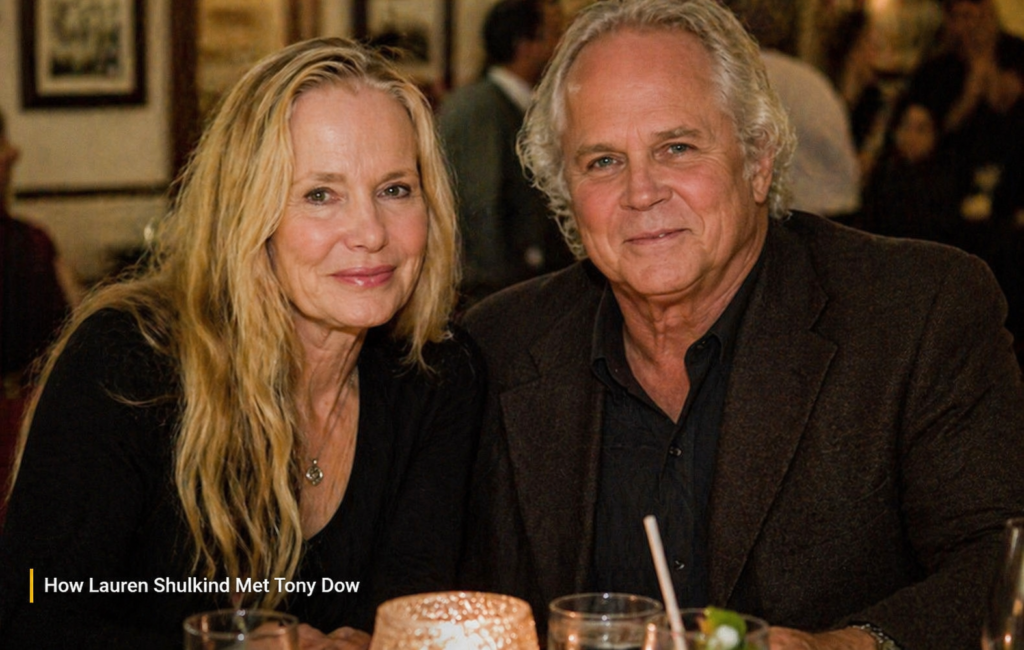
You cannot talk about Lauren Shulkind without discussing how she builds teams. She famously hires for curiosity over credentials. In her view, a smart person who asks “why” five times is worth ten people who just follow orders. Her interview process includes real-world problem-solving sessions rather than abstract behavioral questions.
Once hired, her team members get unusual freedom—and unusual accountability. She operates a “no-meeting Wednesdays” policy to protect deep work. But she also expects weekly 15-minute video updates on progress and blockers. This balance of autonomy and transparency has resulted in some of the lowest turnover rates in her industry.
The Role of Data and Intuition in Her Decision-Making
Many modern leaders worship data. Shulkind respects data but refuses to be ruled by it. She teaches her teams to use analytics for pattern recognition, not prescription. The final decision always comes back to human judgment and strategic context.
She once overrode a data model that said to cut a product line because the numbers looked weak. Her intuition, based on customer calls and frontline feedback, told her to reinvest. Within six months, that product became the category leader after a minor repositioning. That episode cemented her reputation as a leader who listens to both spreadsheets and stories.
Overcoming Challenges: Lessons from the Front Lines
Shulkind is open about her failures. Early in her career, she rushed a rebrand that alienated loyal customers. Rather than blame the agency or market conditions, she owned the mistake publicly and reversed course within sixty days. That vulnerability actually strengthened her credibility.
Another major challenge came during the post-pandemic supply chain crisis. Her team faced skyrocketing costs and delayed shipments. Instead of slashing quality, she collaborated with competitors on shared logistics—a move that seemed radical but saved everyone money. The lesson she shares most often is that leadership is not about avoiding storms but about learning to sail in them.
Lauren Shulkind’s Vision for the Future of Strategic Growth
Looking ahead, Shulkind sees strategic growth moving away from siloed departments. She predicts that the next decade belongs to “generalizing specialists”—people who think like CEOs regardless of their title. She is already piloting internal programs to train non-finance staff on cash flow literacy and non-marketing staff on brand positioning.
She also advocates for integrating environmental and social metrics directly into core KPIs, not just CSR reports. Her upcoming initiatives focus on regenerative business models, where growth actually restores resources rather than depleting them. While other leaders talk about sustainability, Shulkind is writing the playbook for making it profitable.
Practical Takeaways for Aspiring Leaders
So what can you learn from Lauren Shulkind today? First, stop waiting for perfect information. Take the best available data, make a clear decision, and commit to adapting as you learn. Second, spend more time on your team’s psychological safety than on your PowerPoint deck. A scared team hides problems; a safe team solves them.
Finally, redefine what growth means for your specific context. Bigger is not always better. Better is better. Whether you lead a two-person startup or a thousand-person division, Shulkind’s insights remind us that strategy is ultimately about choices—and the most courageous choice is to grow in a way that you can be proud of.
Conclusion: Why Lauren Shulkind Matters Right Now
In an era of quick fixes and empty jargon, Lauren Shulkind offers something refreshing: substance. She is not a celebrity CEO or a social media guru. She is a builder, a problem-solver, and a leader who actually makes the people around her smarter. Her bio reads like a roadmap for anyone tired of performative leadership.
As industries face AI disruption, economic uncertainty, and shifting consumer values, Shulkind’s balanced approach—rigorous yet humane, data-driven yet intuitive—is exactly what the moment demands. She is redefining strategic growth not as a destination but as a continuous practice of learning, adapting, and caring. For that reason, her insights are not just timely; they are timeless.